
The Mughal era & Kathak
The Mughal invasion and occupation of undivided India not only enriched and enhanced the Kathak tradition, but it also added elements of fusion and versatility to it. As a result, the single largest influence of this era on Kathak was its migration from a purely Indian dance to a crossover. In particular, the courtly interactions between the Persian dancers that came with the Mughal kings and the Indian Kathak exponents infused lasting and distinctive changes in the central character of the dance. In fact, it would be appropriate to say that much of Kathak’s contemporary form and spirit is rooted in the Mughal era and still carries its distinct aura.
Several factors contributed to this transformation. The Mughal kings developed a penchant for Kathak and patronised it wholeheartedly to elevate it to the status of official courtly dance. Because of the royal patronage, a whole new class of aspirants got attracted to the practice. For these students, the crossover character of Kathak was the only source of learning and training, and so their initiation to the dance was based on this model. The ensuing generation of dancers only refined the tradition until Kathak was totally anointed with Mughal influence.
During the reign of the Mughal Emperors, Kathak underwent a transformation. The religious content receded and kathak became a secular form of entertainment. Some Kathak dancers sought Hindu patronage and danced in the Hindu courts. Dancers in the Mughal courts focused on technical virtuosity, brilliant variations of rhythm and rapid chakkars-s (turns).
With women dancers, adã and nazãkat (grace, charm and delicacy) became an important part of the dancers’ style. The expressional aspect of Kathak was embodied in the musical forms of thumri, gazal and dadra. The Hindu costume of lehenga and choli was replaced with pishwaz and churidar. In this form Kathak was patronised by the Mughal royalty.These performances were replete with overt facial expressiveness and sensory dance movements, accompanied by ornate costumes.
Over the years Bollywood has embraced the Mughal art of Mujra with performances by Madhubala, Rekha, Aishwarya Rai, Madhuri Dixit and now Deepika Padukone . Mujra is a form of dance originated by women during the Mughal era which incorporated elements of the native classical Kathak dance onto music such as thumris and ghazals or poems of those from other Mughal cultures such as Bahadur Shah Zafar. During Mughal rule in the subcontinent, in places such as Jaipur, the tradition of performing mujra was a family art and often passed down from mother to daughter amongst Muslim practitioners. ‘Mujra’ is also the traditional way of greeting among Marathas – Kings in Maharashtra.
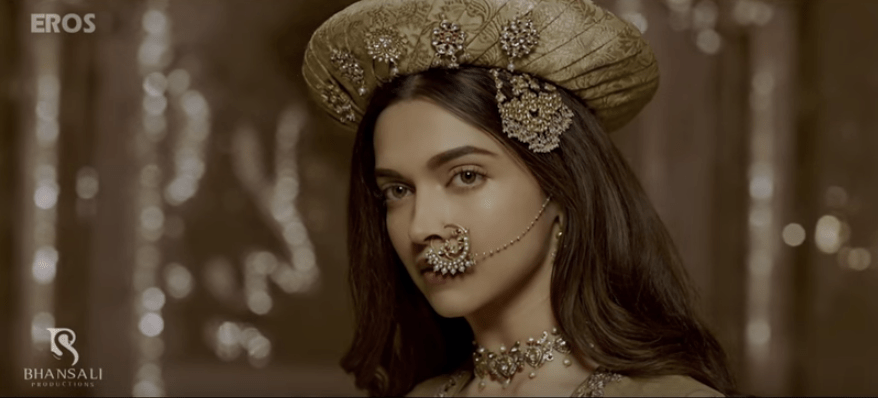
Sanjay Leela Bhansali’s period film Bajirao Mastani combines the magic of the soulful Mughal era and the Rule of the Maratha. The film is produced and directed by Sanjay Leela Bhansali that narrates the story of the the Maratha warrior – Peshwa (Prime Minister) Baji Rao (Ranveer Singh) of the Maratha Empire and his second wife Mastani (Deepika Padukone) and Priyanka Chopra plays Bajirao’s first wife Kashibai.
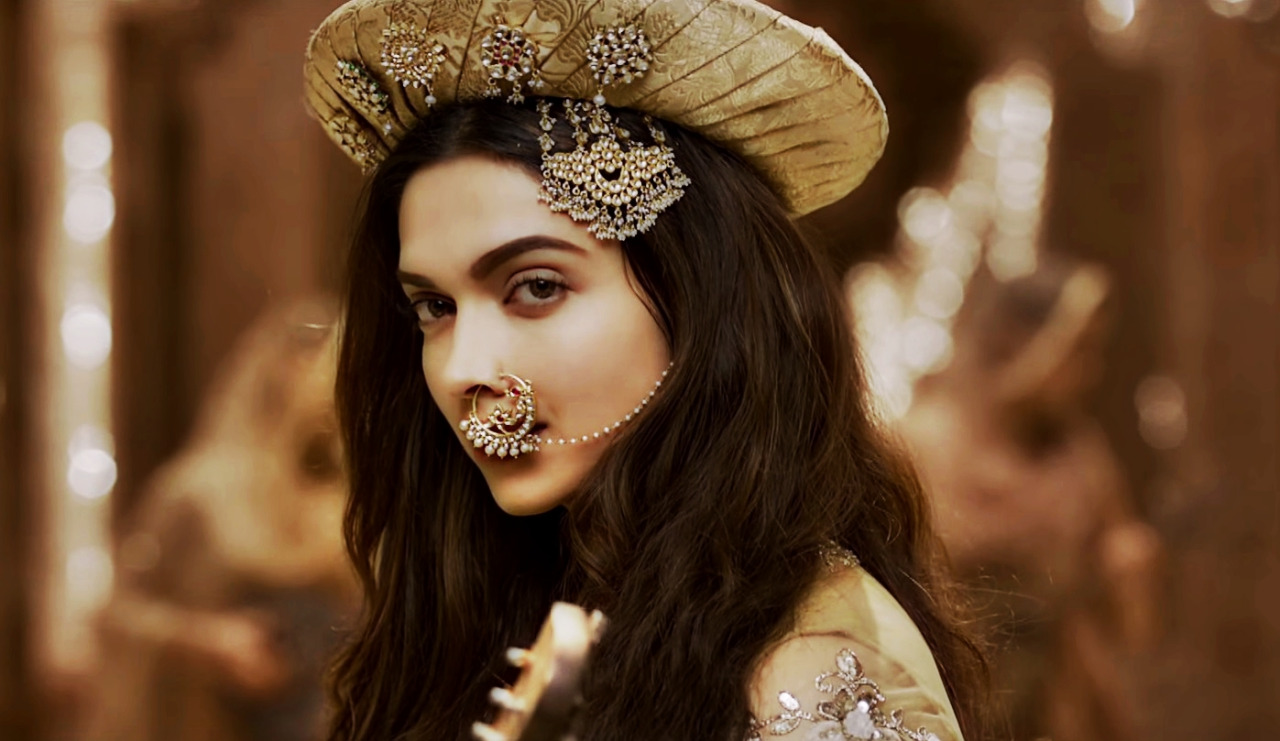
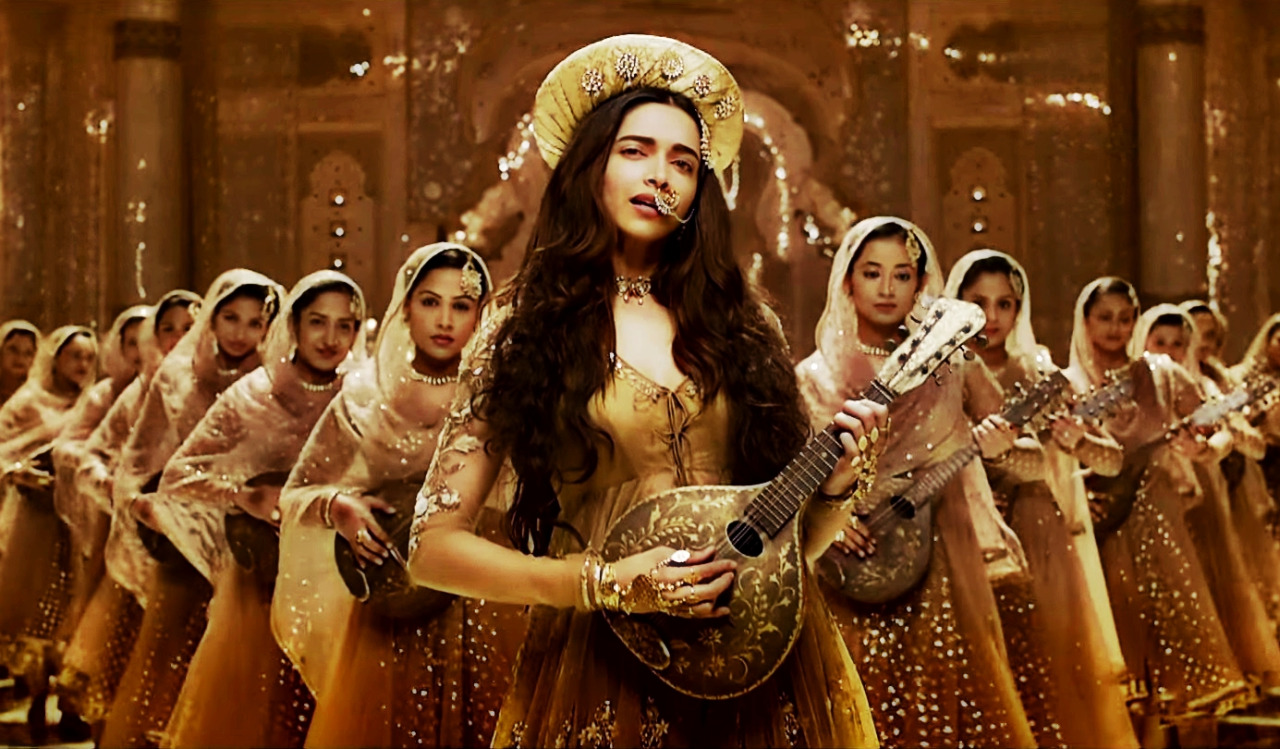
On Saturday, 17 October, Deepika Padukone unveiled the beautiful Deewani Mastani which tributes the Mughal & Marata era of rule in India and, during which Kathak, Mujra, the Arts and Dance was greatly appreciated. The song was in a sense inspired by Mughal-E-Azam and the iconic Madhubala. The dance piece was choreographed by Remo D’Souza with vocals by Shreya Ghoshal. Enjoy!
Singers: Shreya Ghoshal and Ganesh Chandanshive
Qawwali Singers: Mujtaba Aziz Naza, Shahdab Faridi, Altmash Faridi, Farhan Sabri
Music: Sanjay Leela Bhansali
Lyrics: Siddharth Garima
Qawwali Lyrics: Nasir Faraaz
Marathi Lyrics: Ganesh Chandanshive
Written & Compiled by Shevaal Singh
 Nateshwar Dance Academy