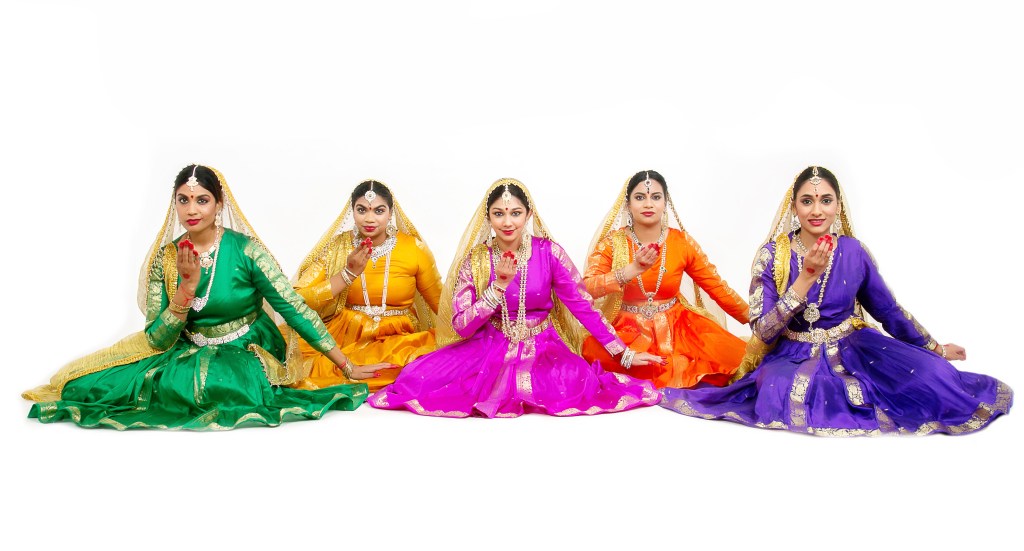
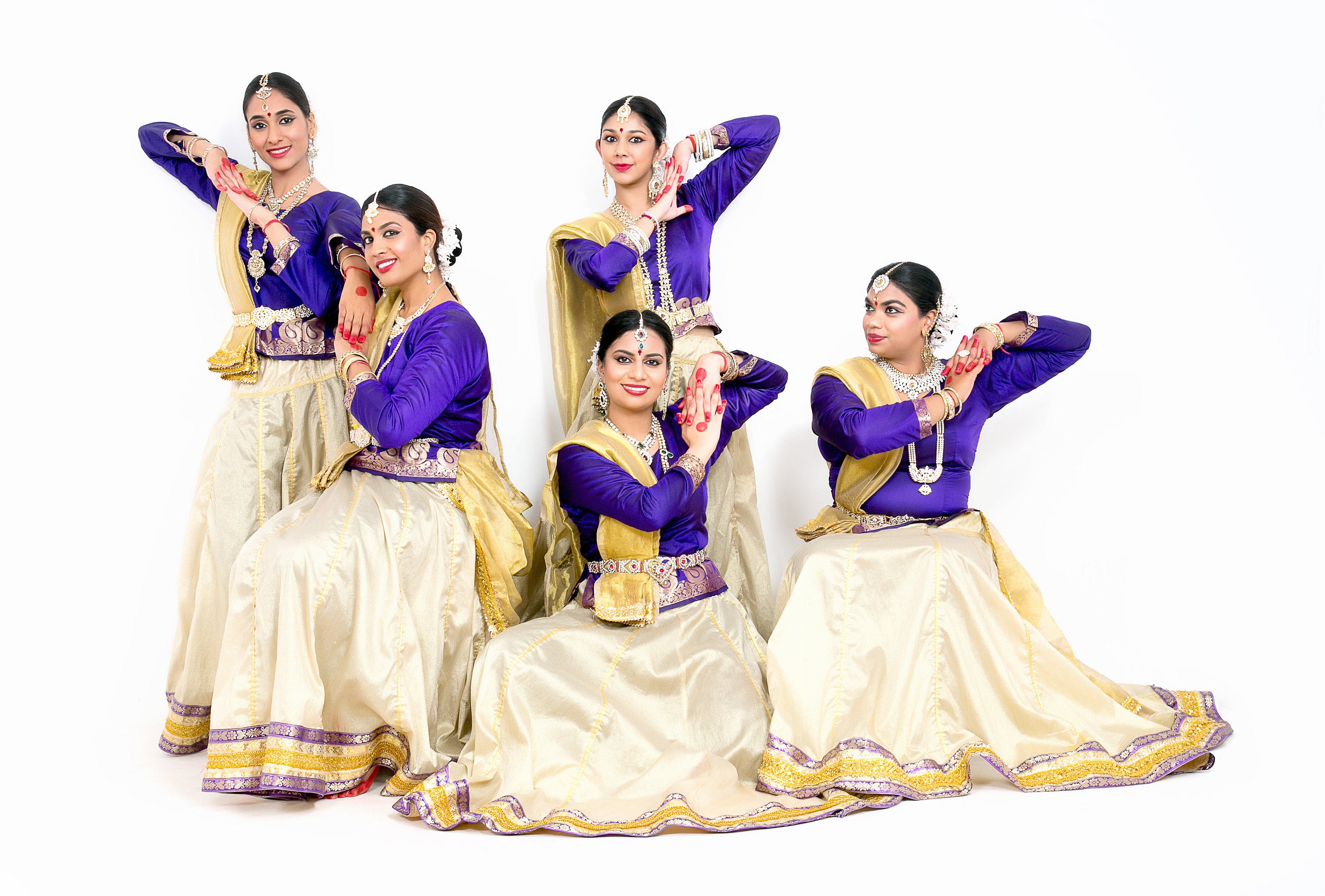
Five senior students of the Nateshwar Dance Academy, Usha Govind, Riyaska Singh, Sarsha Lavania Pillay, Anneline Lisa Beharilall and Varuna Karishma Singh who are disciples of Smt. Smeetha Singh-Maharaj will perform their Kathak debut recital titled: “Rangmanch Pravesh” on 28 August 2016 at the Durban Playhouse Opera Theatre.
Kindly note that admission to attend the Rangmanch Pravesh is strictly by invitation only.
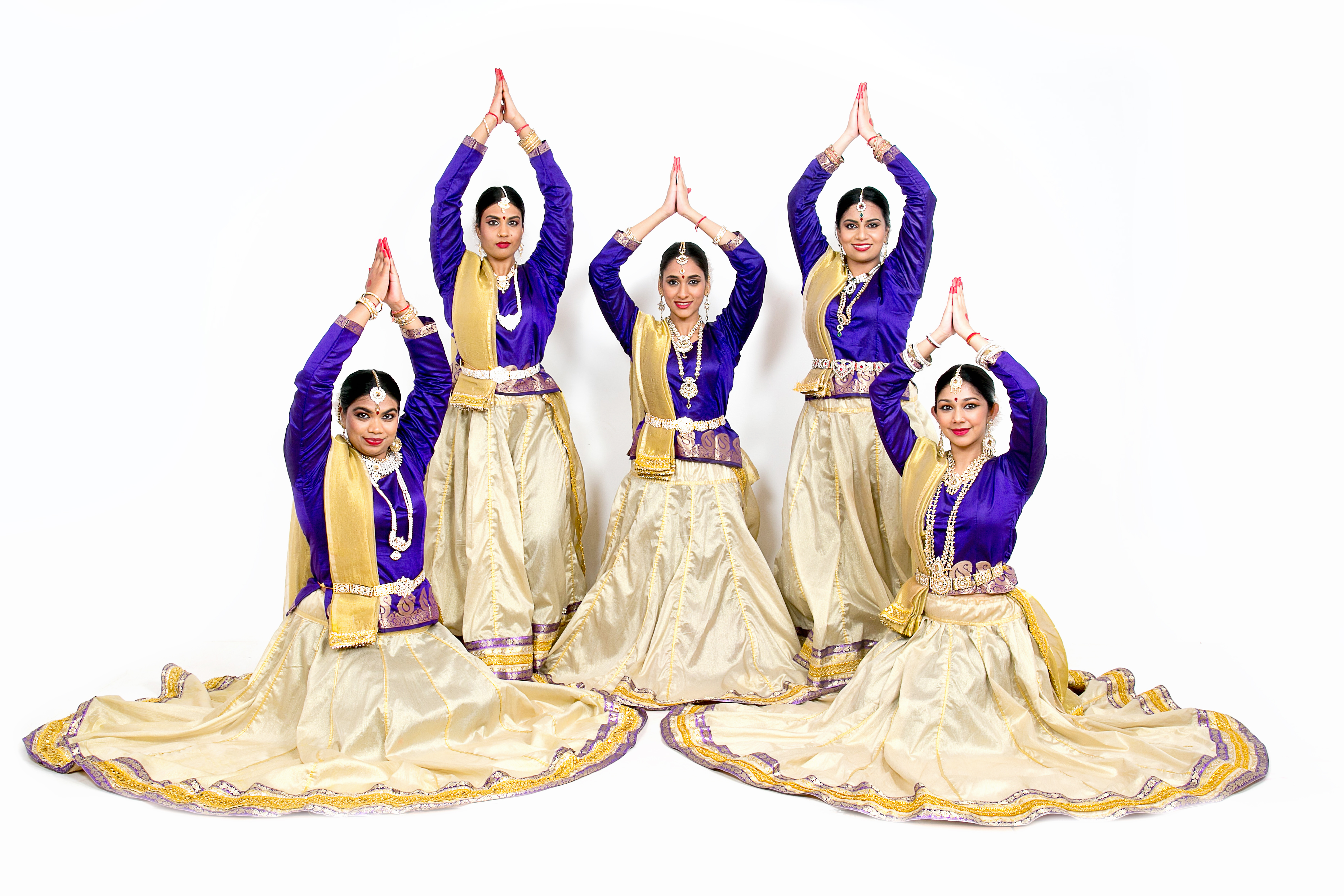
The Rangmanch Pravesh is a culmination of many years of training in Kathak Dance. These students have performed extensively with the Academy over the years. They have performed for many religious and corporate organizations. Usha, Riyaska, Sarsha, Anneline and Varuna have also attended numerous dance workshops conducted by senior Kathak dancers from India. Rigorously trained and highly disciplined artistes bring you Kathak in its truest form.
These students don’t only hold a love for dance… Usha Govind is currently a 3rd-year Medicine student at UKZN while Riyaska Singh, a 3rd-year student of Law also at UKZN. Sarsha Pillay is a 3rd year Information Technology student at DUT. Anneline Lisa Beharilall is a Graphic Designer for Game Mass Discounters with intentions of pursuing her Masters in Visual Communications in the New Year, Varuna Singh is currently working for RCL Foods and is also pursuing her PhD in Human Resources. All of them attended the Durban Central Branch of The Nateshwar Dance Academy.
The Academy constantly tries to maintain and afford its students a high standard of quality dance tuition in accordance with that in India. To achieve this, we bring down Shri Vaibhav Joshi (BA Kathak) from Mumbai. Mr. Joshi does additional intensive training and examines our students prior to their classical debut performance.
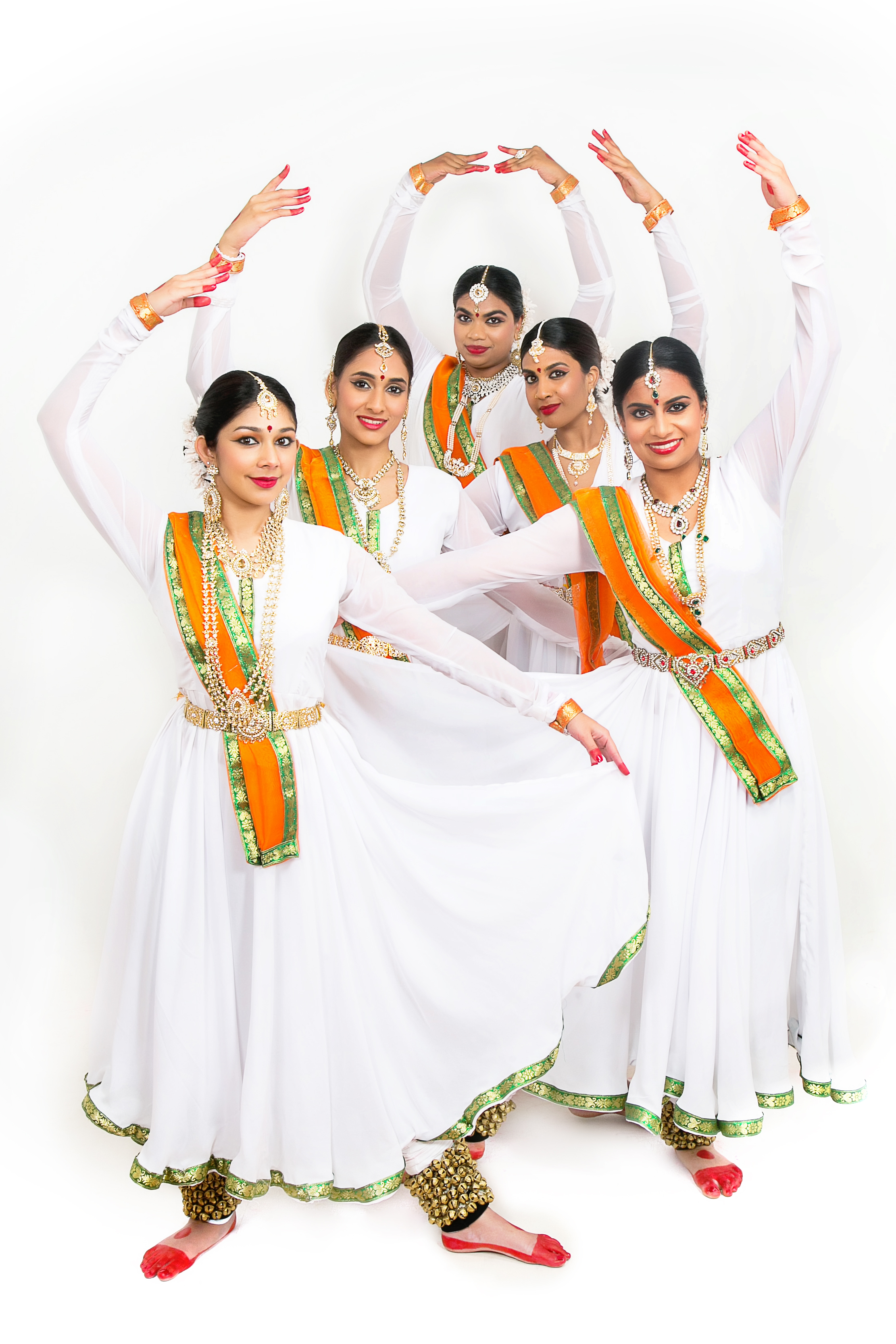
The RANGMANCH PRAVESH – a Kathak Dance Recital
It can be said that there is probably no classical dance style, that is as free in its presentation as Kathak. Every Kathak dancer starts his performance in his own way and arranges the dance pieces as per his choice. Kathak can be divided into Nritta and Abhinaya on the one hand and Tandava and Lasya on the other. Nritta and Abhinaya are applicable to the movements in the dance style. Tandava and Lasya have to do with the type of numerics, which are played on the tabla or executed by the feet.
A Kathak dance performance begins with the Nritta portion in which Thaat, Amad, Toda, Tukda, Paran, Chakkardar and Tatkaar, etc are presented generally. A salient feature is the use of numberless circles. The last Tihai of every Bol usually culminates in quick pirouettes called Chakkars.
Every Indian Classical dancer wears ghungroos but the real use of these ghungroos as we see in Kathak style is unparallel. Each and every syllable produced on Tabla or Pakhavaj is resounded by a Kathak dancer. It gradually gains in speed and tempo and reaches a climatic degree. The artists give a brilliant demonstration of both rhythm and movement. The tremendous footwork is indeed another noteworthy feature of Kathak.
In the Abhinaya portion Gat Nikas, Gat Bhav, Thumri or some Bhajan is presented. In Gat Nikas, some specific posture is presented with gaits. Gat Bhav has a mime character in it. In Thumri Bhav, the dancer presents different moods and emotions as per the song of his choice.
During this time of Mughal rule in India, Kathak went through certain changes and flourished as a royal pastime. There were changes in the style of dressing as well as the introduction of new items like the Thumri and Ghazal. Thus from a temple art Kathak become a court art.
Present costume of Kathak dance is fully influenced by Mughal and Hindu Courts. Ladies used to wear peshawaj (dress), chudidar payjama, a jacket, chunni and topi, which is an Islamic costume or they wear Ghagara, Choli and a dupatta, which is a Rajasthani costume. Suitable ornaments on head, ear, nose, neck and hands are also worn.
Though essentially seen in its solo form, Kathak in its Natya aspect shares a large corpus of the Rasalilas of Brindavan. This gives an impression of having a set order of numbers as we see in a Bharata Natyam recital where it is performed in a traditional manner from the Alarippu to Tillana, although, there are a few items of dance which are special to it. The development of Kathak is also very closely connected with the development of North Indian classical music or Hindustani music. Certain forms like Draupad, Dhamar, Hori, Kajri, Kirtan, Dadra, Ghazal and Thumri, developed with the passage of time and the Kathak dancers used these forms in dance. In recent times the musical composition; a Tarana is danced as an item in a Kathak Recital in either Madhya or Drut Laya.
The journey of Kathak Dance from the Hindu temples to the courts of the Mughals is quite fascinating and the various elements has imbibed over the different periods in history and the different Gharanas or schools, that is, Jaipur Gharana, Lucknow Gharana and Benaras Gharana (Janaki Prasad Gharana), have given Kathak an exquisite character which is seen in the repertoire of a Kathak Recital.
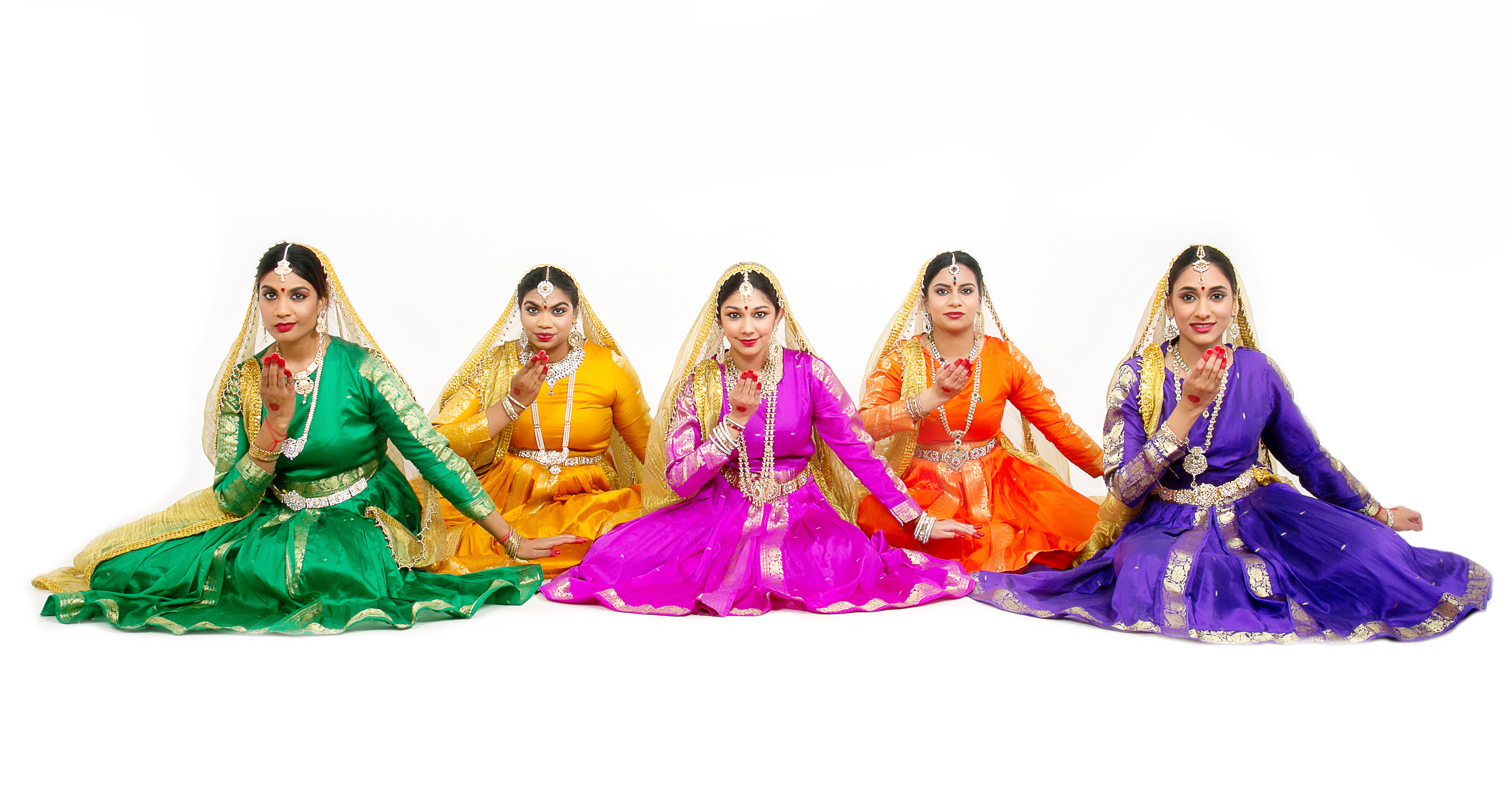
Best wishes & blessings from the Nateshwar Dance Academy to Usha Govind, Riyaska Singh, Sarsha Lavania Pillay, Anneline Lisa Beharilall and Varuna Karishma Singh as they embark on their journey to their Rangmanch Pravesh.
Please Note: Admission to attend the Rangmanch Pravesh is by invitation only.
 Nateshwar Dance Academy